
 The Long View
Selling AI to the Enterprise: Fear, Friction, and the Long Road to Yes
At Tidemark’s 2025 VSaaS Collective Live, CEOs from Revin, Sewer AI, and HiMarley shared lessons on how to effectively sell AI to the enterprise

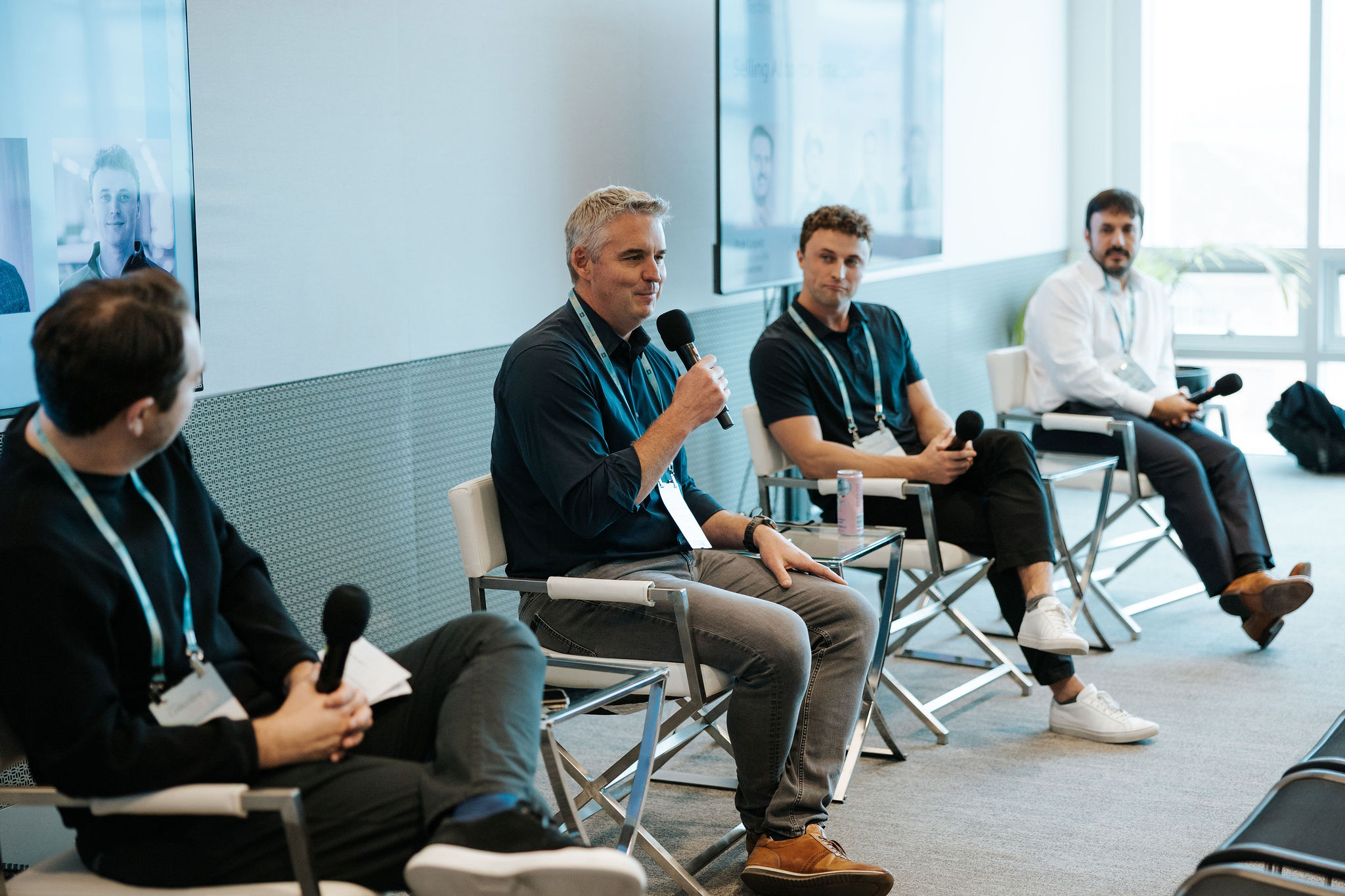
At Tidemark’s 2025 VSaaS Collective Live, the Selling AI panel cut straight to the mechanics. Moderated by Tidemark Fellow and CEO of AccessiBe, Rob Lopez, three CEOs — Quinn Litherland (Revin), Matt Rosenthal (Sewer AI), and Mike Greene (HiMarley) — discussed what’s different about selling AI to traditional industries: the trust dynamics when buyers are backing an unproven technology, pricing models that benchmark against human workflows, and the product discipline required to say no to custom work that doesn’t scale.
Fear is harder to manage than architecture
The hardest part of enterprise AI adoption isn’t the technology, it’s the fear. Early demos that frame AI as magic tend to backfire and board members who see “aliens have landed” presentations don’t buy in. What works is the opposite approach: show the guardrails, explain the failure modes, walk through exactly how the system behaves under stress. Trust gets built when you expose the machinery.
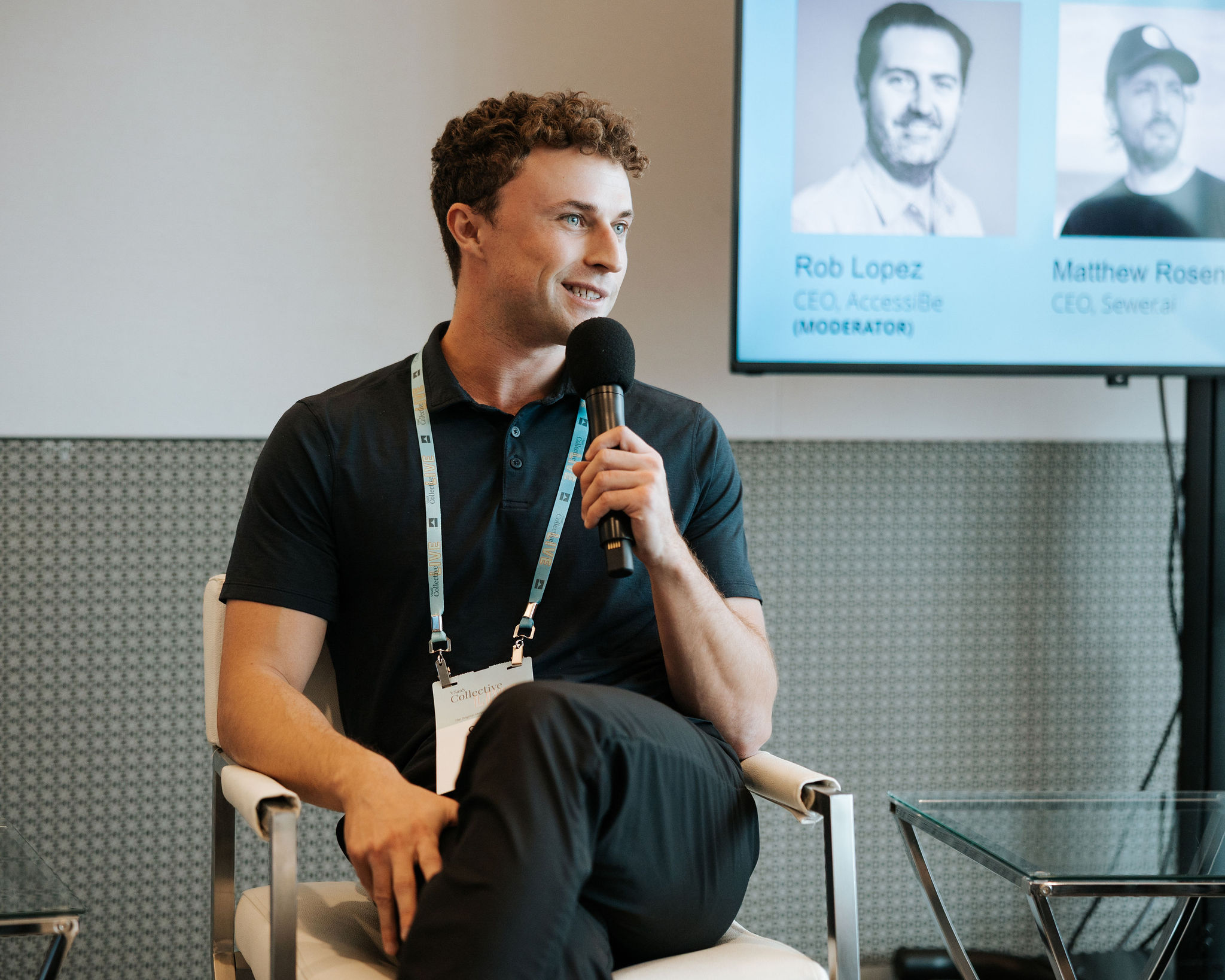
Quinn Litherland (Revin.ai) added that enterprise execs often feel like they’re betting on a horse in a noisy field. Go to any vertical trade show and there are five to seven AI copycat products. Buyers have to present their choice to their own boards and put their names on a vendor. That pressure is turning traditional vendor relationships into partnerships, where AI companies sit in customer board meetings, help make the internal case, and are there when things might go south.
This same fear extends down to frontline employees. In industries where workers get paid per transaction (conversations handled or appointments booked), AI that automates those tasks creates immediate compensation pressure. The companies making this work are going on-site early, building relationships with the teams who’ll use the product daily, and demonstrating they’re not “the big scary logo coming to take everyone’s jobs.”
Across the board, the sales motion has shifted from feature demos to business case education. AI gets buyers interested, but a true partnership approach gets them to sign.
Pricing converges around human-unit economics
No one on the panel claimed to have solved pricing, but patterns are emerging. The most traction is coming from models that benchmark against the human cost of work and split the value created. If manual processing costs $20 per unit and AI does it for $7, the savings get allocated between customer value and vendor margin.
Pure outcome-based pricing still faces adoption barriers. It’s too hard to verify in complex enterprise environments, too easy to misalign incentives, and too slow to reconcile. The deals closing now tend to mix platform fees with volume-based pricing, or tie usage directly to customer economics such as per claim processed or ticket resolved.
Pricing is shifting from seat-based models and toward the work AI actually performs. In workflows where outcomes are narrow and well-measured with tight SLAs, pure outcome pricing can work, but the panel agreed that most enterprise buyers aren’t there yet.
The forward-deployed engineers question
The question of whether to put engineers on the front lines split the panel, but the underlying principle unified them: if field work doesn’t make the platform better for the next customer, you’re doing consulting, not building software.
Quinn Litherland (CEO, Revin.ai) was cautiously in favor. Revin builds custom AI “teammates” that sit on top of systems like ServiceTitan and Salesforce, and having engineers embedded early helps land complex deployments. But he drew a bright line: if you deploy FDEs without discipline, you’ve effectively turned yourself into a services shop with software margins taped on top.
Revin now includes a fixed amount of engineering time in contracts and treats those hours like billable inventory. Every hour has to either create a reusable capability or permanently reduce implementation cost.
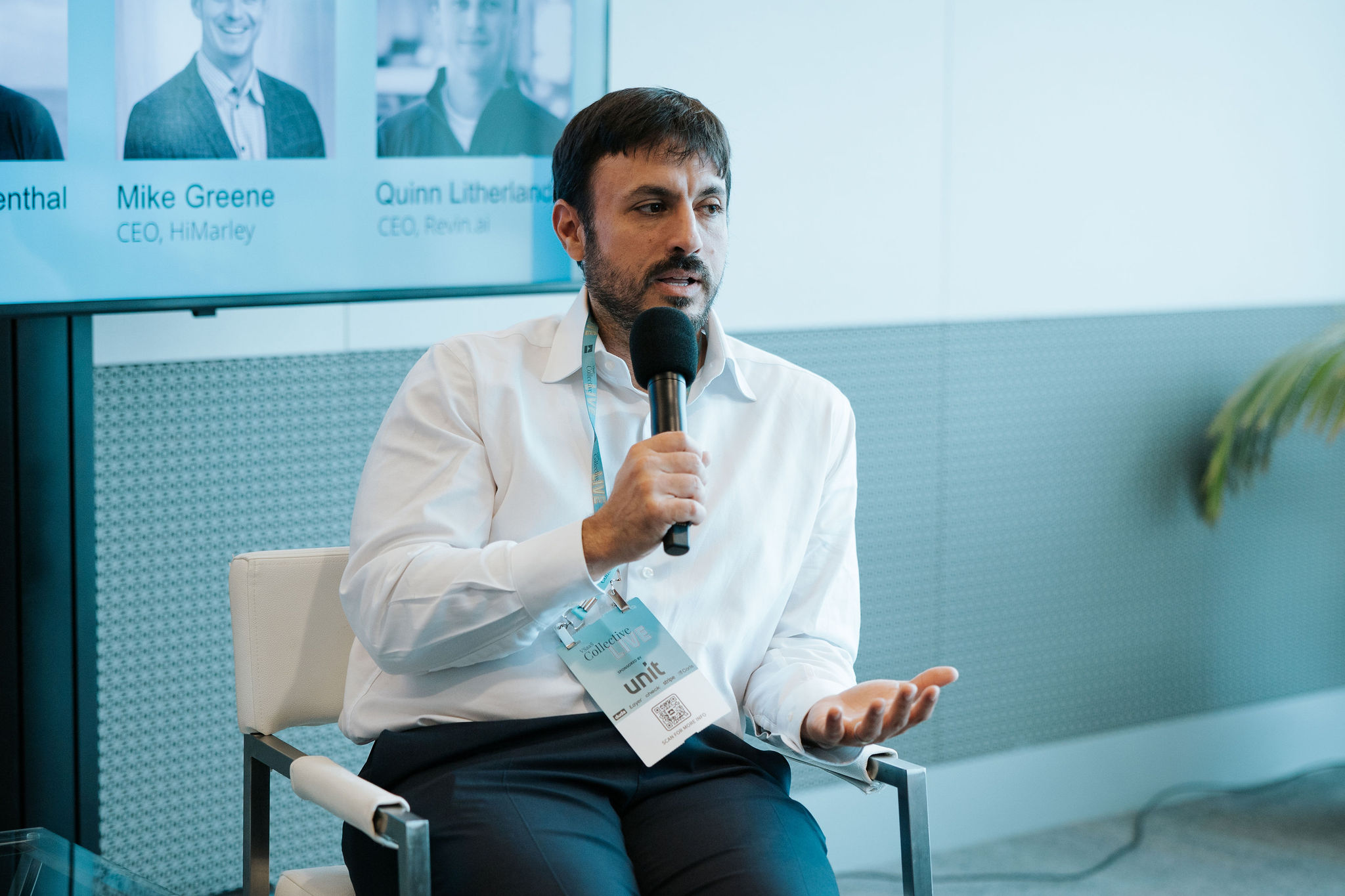
Matt Rosenthal (SewerAI) took the opposite stance. His company doesn’t sit on top of massive ERP stacks, so they skipped FDEs altogether. Instead, they built a culture of hyper-responsive support (jump on Zoom, take remote control, fix the issue) even when the root cause isn’t technically theirs.
A third path where you pair an industry veteran with a technical product lead for large accounts also emerged as a viable route. Less deployment team, more a two-person squad that absorbs context fast and de-risks early phases.
No matter your approach, the panelists agreed that every customer interaction either scales or it’s a waste.
Avoid the custom work trap
The clearest warning came when discussion turned to early-stage trade-offs. Say yes to one-off features to beat your quarter, then spend two years cleaning up a codebase that kills product velocity. Eventually you’re refactoring instead of shipping, onboarding developers into code no one understands.
The successful companies have gotten disciplined about the systems they won’t integrate with or the workflows they won’t touch, no matter how much a customer pays. Saying no to revenue is the hardest part, especially when you’re small and staring at a number you need to hit. But the alternative is technical debt that compounds until the only option is a massive refactor that stops all forward motion.
Enterprise AI sales is still enterprise sales and that means long cycles, politics, procurement drift. The teams that win aren’t pitching magic. They’re showing how it works, showing where it fails, and building a repeatable implementation motion that feels like partnership, not handoff.
A big thanks to Quinn Litherland (Revin), Matt Rosenthal (Sewer AI), Mike Greene (HiMarley), and Rob Lopez (AccessiBe) for the candid conversation!

Stay in the Loop
Enter your details and be notified when we publish new articles on The Highpoint.